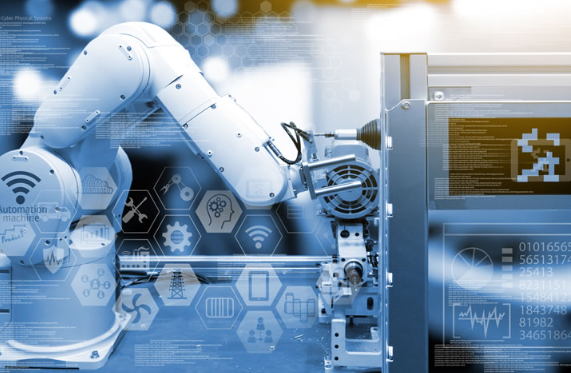
Industry 4.0 Explained
Industry 4.0 signifies a transformative shift in manufacturing, driven by advanced technologies such as IoT and AI. This integration facilitates automation and enhances operational efficiency, creating a more adaptable production environment. However, adopting these innovations comes with its own set of challenges. Understanding the core technologies and their implications is crucial for businesses aiming to maintain competitiveness. What strategies can organizations implement to navigate these complexities effectively?
The Core Technologies Behind Industry 4.0
The foundation of Industry 4.0 is built upon a suite of advanced technologies that collectively enable enhanced automation, data exchange, and manufacturing processes.
Central to this evolution are IoT integration and AI applications, which facilitate real-time data analytics and intelligent decision-making.
These technologies foster a seamless interplay among machines, creating a dynamic ecosystem that champions operational efficiency and innovative solutions, ultimately empowering freedom in production methodologies.
Benefits of Embracing Industry 4.0
Embracing Industry 4.0 offers a myriad of advantages that significantly enhance operational capabilities and business outcomes.
Organizations can achieve substantial cost savings through automation and data analytics, which streamline processes.
Additionally, improved operational efficiency fosters agility and responsiveness, enabling companies to adapt swiftly to market demands.
Ultimately, these benefits empower businesses to innovate and maintain competitive advantages in an ever-evolving landscape.
Challenges and Considerations for Implementation
How can organizations effectively navigate the complexities of implementing Industry 4.0 technologies?
They must prioritize data security to safeguard sensitive information while simultaneously investing in workforce training to equip employees with necessary skills.
Balancing these considerations is crucial, as failure to address them can hinder technological integration.
A strategic approach fosters innovation, ensuring that organizations remain competitive in a rapidly evolving industrial landscape.
See also: monadetcourse
The Future of Manufacturing in an Industry 4.0 World
As manufacturers increasingly integrate Industry 4.0 technologies, a transformative shift in production processes becomes evident, characterized by heightened automation, real-time data analytics, and enhanced supply chain connectivity.
Smart factories are emerging as pivotal hubs, enabling unprecedented efficiency and flexibility. This evolution empowers manufacturers to respond swiftly to market demands, ultimately fostering innovation and resilience in an ever-evolving industrial landscape.
Conclusion
As the dawn of Industry 4.0 approaches, the landscape of manufacturing teeters on the brink of transformation, where machines whisper secrets to one another and data flows like a lifeblood through interconnected networks. Yet, beneath this promising surface, challenges linger in the shadows, waiting to be confronted. The true question remains: will industries harness this wave of innovation to propel themselves into an era of unprecedented efficiency, or will they falter, lost in the complexities of this new paradigm?